The internal energy of the Earth
The existence of geological processes makes the Earth a constantly changing planet. These geological processes are of two types:
- External geological processes. Processes erosion, transport and sedimentation are produced by external geological agents (wind, water, ice, ...)
 driven by energy from the sun. They generate sedimentary rocks.
 - Internal geological processes. The thermal energy of the interior of the Earth is responsible for the changes in the interior of the Earth, such as that the Earth is divided into plates and that they move, which causes volcanic eruptions, earthquakes, and the appearance of mountain ranges. They generate magmatic and metamorphic rocks.
The changes that take place inside the Earth, sometimes, are slow. For example, Europe and America separate at a rate of 2.8 cm each year. Other times, internal geological processes are rapid, such as when an earthquake or volcanic eruption occurs.
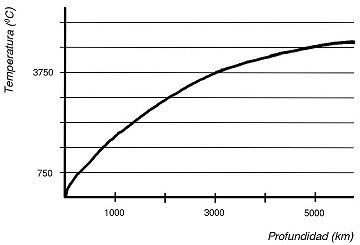
The average temperature of the earth's surface is about 15º C, although it varies according to the energy that comes from the Sun (in addition to the pollutants that contribute to climate change). This solar energy heats the surface and a few centimeters deep, but if we measure the temperature at a greater depth we will see that the temperature increases as we go deeper. But this energy does not come from the outside, but the heat energy comes from the interior of the Earth that, by conduction, reaches the earth's surface.
Test: The internal energy of the Earth.
Test: Internal heat of the Earth.